HOW TO PROTECT HAIR FROM HEAT DAMAGE
What Does Heat Damage Do to Your Hair?
Signs of heat damaged hair
Heat damaged hair often shows up in ways that are hard to ignore. You may notice a rough texture, increased breakage, or ends that split more easily than before. Hair can lose its natural shine and elasticity, making it harder to hold styles or bounce back after brushing. Over time, repeated heat exposure can leave strands looking dull and feeling weaker.
Can heat damage be reversed?
Once the internal structure of the hair is compromised, it cannot be fully reversed. However, the condition of your hair can be significantly improved with some TLC. Strengthening and hydrating products help reinforce the hair fiber, making it more resilient and manageable.
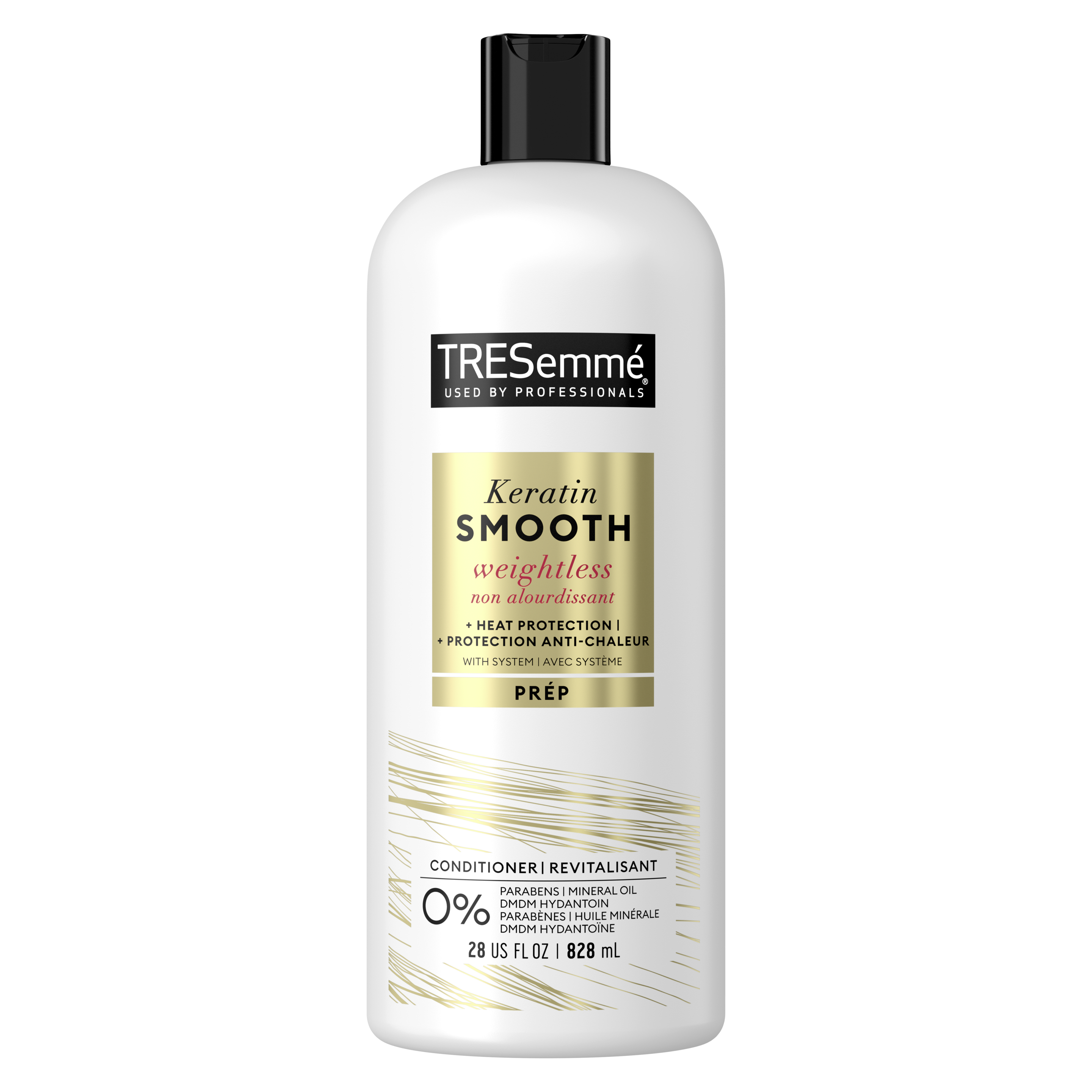
When you incorporate repairing formulas into your routine, such as TRESemmé Keratin Smooth Blowout range – designed to support bonds weakened by heat styling – you help restore the look and feel of healthier hair while preventing further damage.
What Is a Heat Protectant Spray and How Does It Work?
How heat protectant spray forms a barrier
A heat protectant spray works by forming a lightweight barrier over the surface of the hair. This barrier helps reduce the direct impact of heat from styling tools, allowing your hair to withstand higher temperatures with less damage.
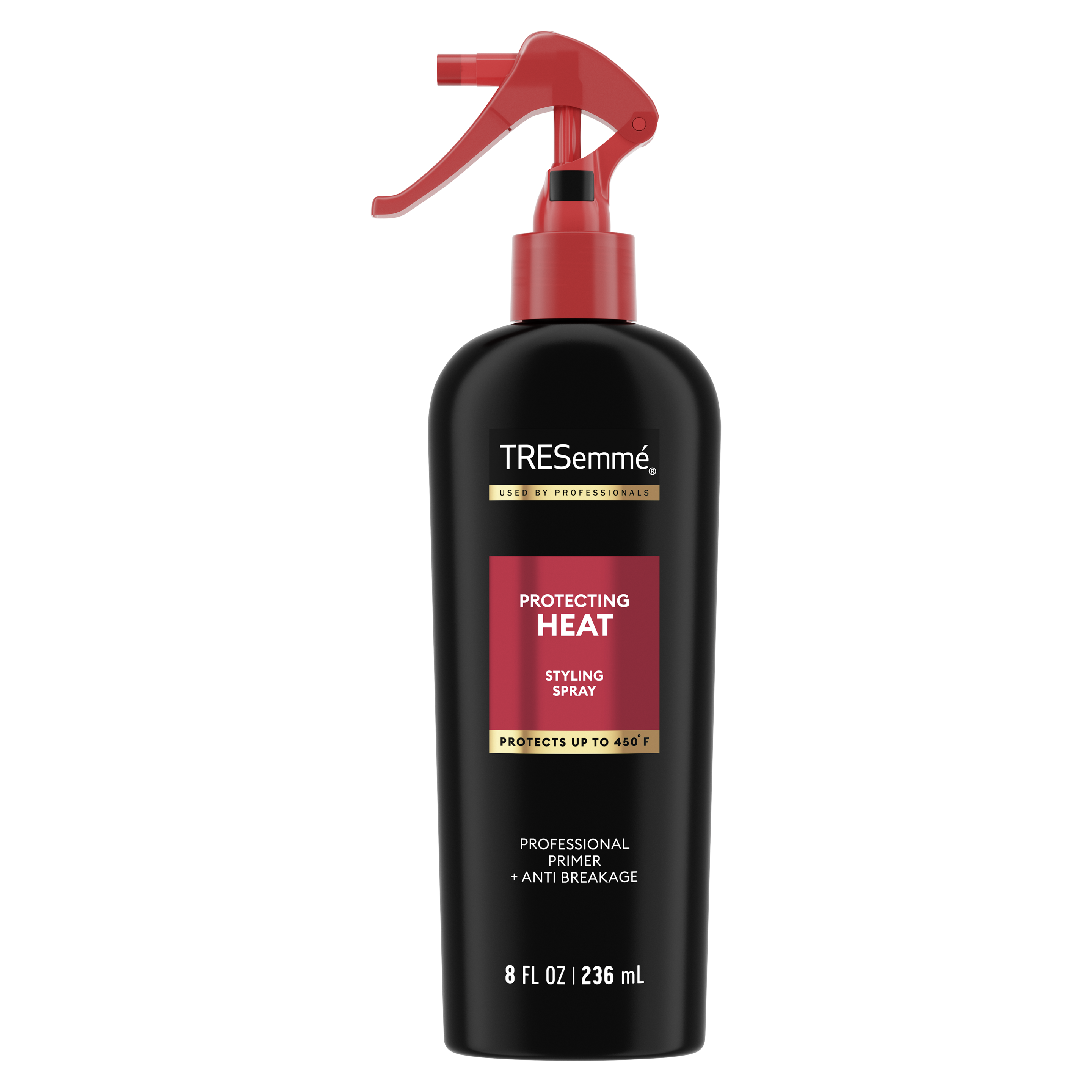
Using a heat protectant before blow drying, straightening or curling is one of the most effective ways to maintain healthy hair while still getting the look that's right for you. A lightweight option like TRESemmé Thermal Keratin Smooth Weightless Fortifying Heat Protection Spray helps prep and protect hair up to 450°F, while keeping hair soft and easy to style.
Moisture retention and cuticle protection explained
Beyond acting as a barrier, heat protectants also play a key role in maintaining moisture balance. When hair is exposed to heat, it can lose hydration quickly, which leads to dryness and frizz. A well-formulated protectant helps lock in moisture and smooth the cuticle, leaving hair looking polished and feeling softer.
This smoothing effect also helps reduce flyaways and enhances shine, giving your hair that healthy-looking boost after you've styled it the way you want.
Heat protectant spray vs heat protectant for hair
The term 'heat protectant for hair' refers to all products designed to shield it from heat, including sprays, creams, and serums. 'Heat protectant spray' formulas come under this category, and are typically lightweight and easy to distribute evenly – ideal for everyday use or finer hair types.
Creams and serums tend to be richer and are often better suited to thicker or more textured hair, where extra nourishment and control are needed. Choosing the right format depends on your hair type and styling routine.
How to Protect Hair from Heat Styling (Step-by-Step Routine)
Step 1: Prep your hair before heat styling
Heat protection starts long before you pick up a styling tool. Using a shampoo and conditioner that strengthen and hydrate your hair helps build a foundation that's more resilient to heat.
Formulas that support smoothness and moisture balance help reduce the risk of dryness and breakage. The TRESemmé Keratin Smooth range is designed to help control frizz and support smoother styling results.
Step 2: Apply heat protectant spray evenly
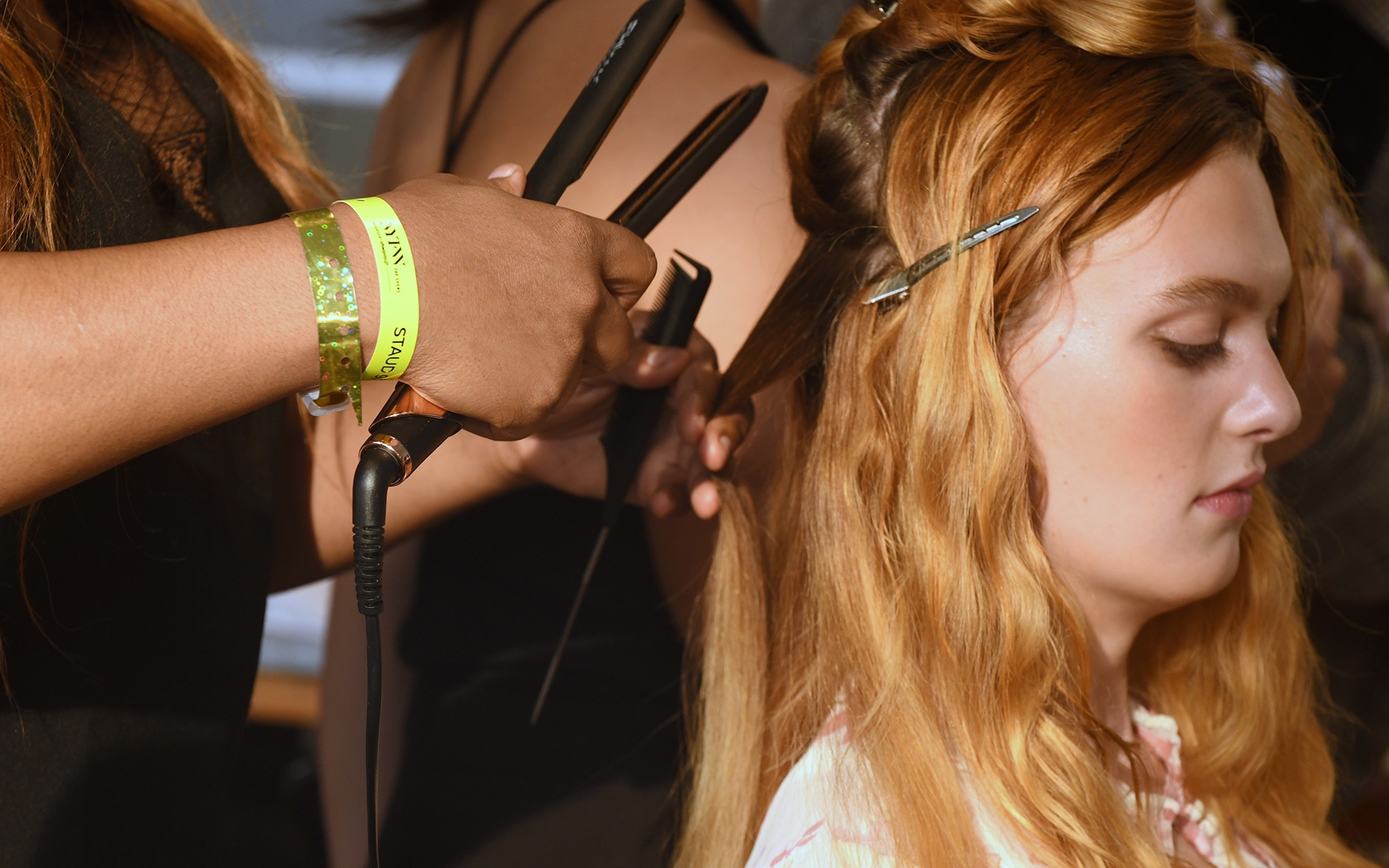
Before applying heat, mist your hair evenly with a heat protectant spray. Focus on mid-lengths and ends, where damage is most likely to occur. For best results, apply to damp hair before blow drying, and lightly reapply before using tools like straighteners or curling irons.
TRESemmé Thermal Keratin Smooth Weightless Fortifying Heat Protection Spray delivers lightweight coverage while helping to detangle, smooth and add shine without weighing hair down.
Step 3: Use the right temperature for your hair type
Lower temperatures are always the safer option when it comes to heat styling. Be gentle with fine or delicate hair and use the lower heat settings, while thicker hair responds better to higher temperatures. The key is to use only as much heat as needed to achieve your style.
Step 4: Style smarter, not hotter
Technique matters just as much as temperature. Avoid going over the same section of hair multiple times, and work in small, manageable sections to ensure even styling. This reduces unnecessary exposure to heat, keeping your hair in better general shape.
Step 5: Post-style care to prevent damage
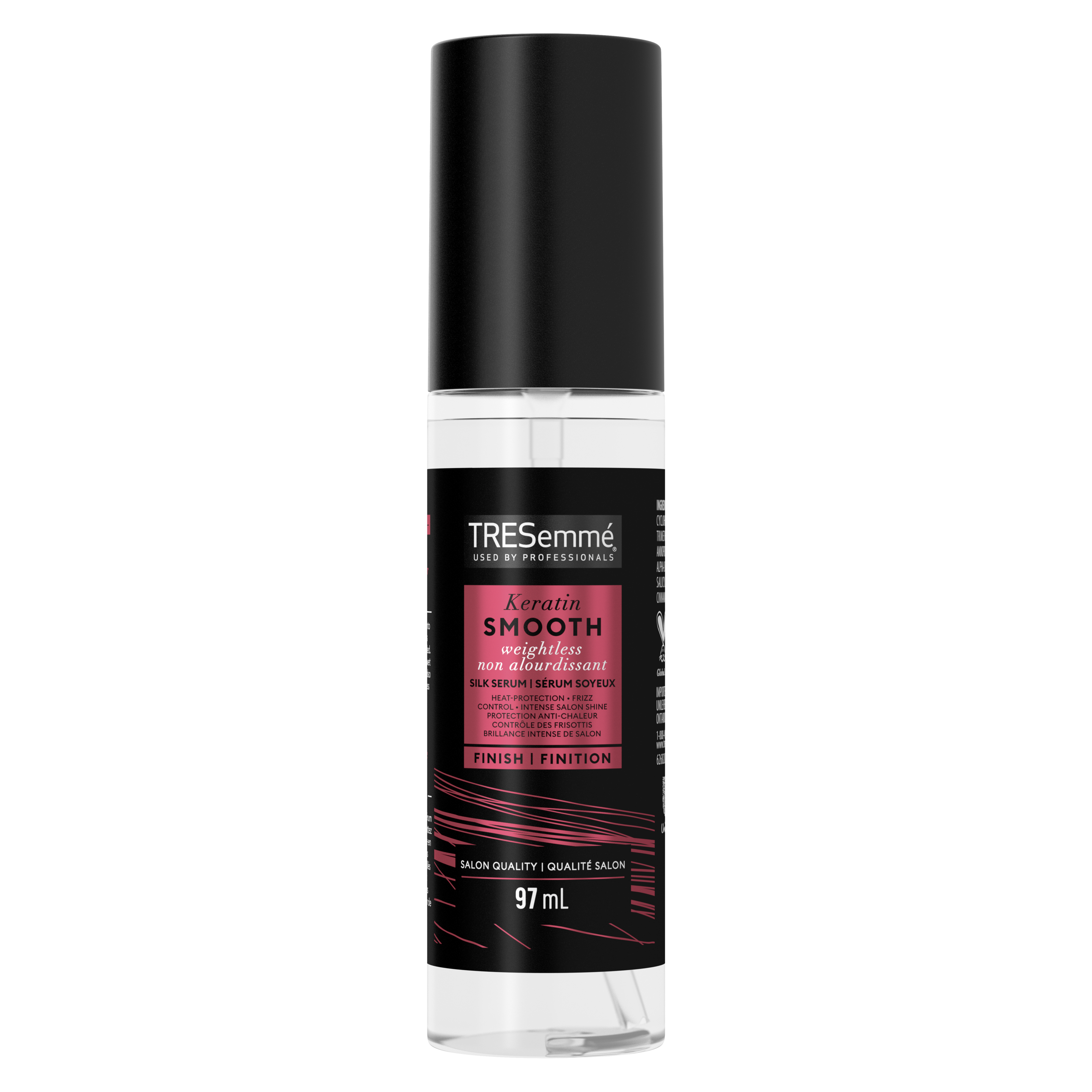
After styling, use lightweight finishing products to smooth and protect your hair even more. Serums and creams can help seal the cuticle, reduce frizz and enhance shine, giving your style a healthy-looking, long-lasting finish.
Best Heat Protectant Tips for Different Hair Types
Fine or thin hair
Fine hair benefits from lightweight, spray-based heat protectant for hair formulas that provide protection without weighing strands down. Focus on even distribution and avoid layering too many heavy products.
Thick or coarse hair
Thicker hair types often need a combination of protection and hydration. Layering a heat protectant with a smoothing product can help control frizz and improve manageability during styling.
Curly and textured hair
Curly and textured hair tends to be naturally drier, so hydration is key. Start with moisture-rich products and follow with a heat protectant spray to maintain definition while protecting against heat damage.
How to Treat Heat Damaged Hair
Best treatment for damaged hair at home
Treating heat damaged hair at home starts with consistent care. Deep conditioning treatments, strengthening formulas, and hydrating routines all play a role in improving the look and feel of damaged hair. Focusing on both moisture and strength helps restore softness while reducing breakage over time.
When to use repair masks and serums
Hair masks are ideal for weekly use when your hair needs extra care, especially after frequent heat styling. Serums can be used more regularly to maintain smoothness, reduce frizz and add that shine that catches the light.
When to trim heat-damaged ends
If your ends are visibly split or feel brittle, trimming is often the best way to prevent further damage. Regular trims help maintain a healthier overall appearance and make hair easier to manage.
Heat Protection Routine for Everyday Styling
Daily vs occasional heat styling routines
If you use heat daily, it is important to keep temperatures low and maintain a consistent heat protection routine. For occasional styling, focus on thorough prep and post-style care to minimise damage.
Combining protection and repair for long-term results
The most effective approach combines protection and repair. By prepping your hair, using a heat protectant spray, and supporting it with strengthening and hydrating products, you can build long-term resilience and maintain healthy-looking hair.
Choosing the Best Heat Protectant Spray for Your Routine
What to look for in a heat protectant for hair
Look for a formula that offers high heat protection, ideally up to 450°F, while remaining lightweight and easy to apply. Additional benefits like frizz control, shine enhancement, and detangling can help simplify your routine.
Lightweight vs intensive formulas
Lightweight heat protectant sprays are ideal for everyday styling and finer hair types, while richer formulas may be better suited to thicker or more textured hair that needs added nourishment.
Protect your style with TRESemmé and enjoy salon-quality results every day, with hair that stays smooth, strong and ready for whatever styling you have in mind.
FAQs
Do you need heat protectant on dry hair or wet hair?
Heat protectant spray is most effective when applied to damp hair before blow drying. It can also be lightly reapplied to dry hair before using hot tools.
How often should you use heat protectant spray?
You should use a heat protectant for hair every time you apply heat to your hair. Consistency is key to reducing long-term damage.
Is heat protectant enough to prevent all damage?
A heat protectant significantly reduces damage, but it works best when combined with proper technique, lower temperatures, and a supportive haircare routine.